
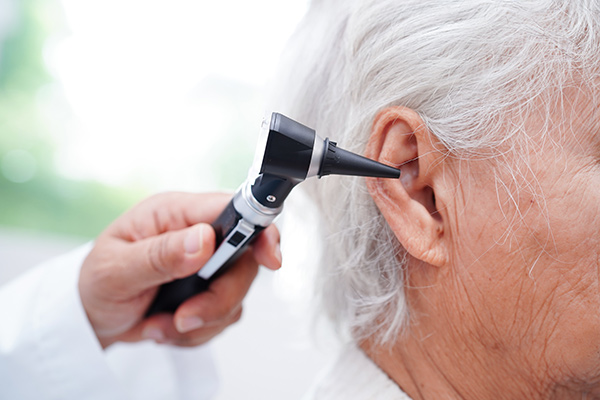
Blocked ears can be uncomfortable and frustrating, especially when sounds seem muffled or your hearing suddenly feels less clear. One of the most common causes is a build-up of ear wax. When wax becomes impacted, ear microsuction can provide an effective way to remove it safely.
However, ear wax is not always responsible for blocked ears. Other ear conditions can cause similar symptoms and may require different treatments. Understanding the cause is the first step towards finding the right solution.
What causes blocked ears?
Ear wax, also known as cerumen, is a natural substance that protects the ear canal by trapping dust and debris. It also helps keep the skin inside your ears healthy. Usually, wax moves out of the ear naturally, so you do not need to remove it.
Sometimes, however, wax builds up and blocks the ear canal. This can happen if you produce excessive wax, have narrow ear canals or regularly wear hearing aids, earplugs or in-ear headphones. Using cotton buds can also push wax deeper into the ear, making a blockage more likely.
Common symptoms of impacted ear wax include:
- Muffled hearing or reduced hearing in one or both ears.
- A feeling of fullness, pressure or blockage.
- Earache or discomfort.
- Itching inside the ear canal.
- Tinnitus, such as ringing or buzzing in the ears.
If these symptoms persist, an assessment with an ENT specialist can establish whether ear wax is the cause and whether you need professional removal.

When do you need ear microsuction?
Ear microsuction is a procedure that removes excess ear wax and debris using gentle suction under direct vision. An ENT specialist may recommend it when wax causes troublesome symptoms, blocks the ear canal or prevents a proper examination of the ear.
You may benefit from ear microsuction if:
- Ear drops have not cleared the blockage. Softening drops can help wax leave the ear naturally, but hardened or impacted wax may need professional removal.
- Your hearing has become muffled. Removing an obstructing wax plug may improve hearing when wax is the underlying cause.
- You experience persistent ear fullness or discomfort. An examination can identify whether wax is responsible.
- Wax prevents an ear examination. Removing the blockage may allow your specialist to assess the ear canal and eardrum properly.
- You have an outer ear infection with debris in the canal. An ENT specialist may use microsuction to clear infected material and support further treatment.
Microsuction is not necessary for everyone with ear wax. If the wax does not cause symptoms or obstruct an examination, removal may not be needed.
What happens during ear microsuction?
At The ENT Clinic, ear microsuction involves examining the ear canal under a microscope before removing wax or debris with a small suction tube.
You can usually sit in a chair or lie comfortably on a couch during the procedure. The specialist watches the ear canal throughout, allowing precise removal, and the procedure usually takes only a few minutes.
Unlike ear syringing, microsuction does not use water irrigation. This can make it a suitable option for people who need careful, controlled wax removal. Your specialist will assess your ears and medical history before recommending the most appropriate approach.
Most patients tolerate microsuction well, although you may notice suction noises or mild discomfort. Tell your specialist if you experience pain or feel uncomfortable during treatment.
Should you use ear drops before microsuction?
In many cases, yes. Softening drops can make hardened wax easier to remove and may help it clear naturally.
The ENT Clinic recommends using wax-softening drops, such as sodium bicarbonate or olive oil, daily for at least one week before microsuction for impacted wax. Follow the advice provided by your clinician or pharmacist.
However, ear drops are not suitable for everyone. Seek medical advice before using them if you have a perforated eardrum, previous ear surgery or an active ear problem that makes drops unsuitable. If you develop pain or discharge, arrange an assessment rather than assuming wax is responsible.
Never insert cotton buds, hairpins or other objects into your ears to remove wax. These can push wax deeper, injure the delicate ear canal or damage the eardrum.
What if ear wax is not causing your blocked ears?
A blocked sensation does not always mean you need ear wax removal. Several other ear conditions can produce similar symptoms.
Eustachian tube dysfunction occurs when the tube connecting the middle ear to the back of the nose fails to regulate pressure properly. It can develop after a cold, during an allergic reaction or following air travel. You may notice pressure, popping sounds, discomfort or reduced hearing. Treatment may include pressure-equalising techniques and, where appropriate, medication or other specialist interventions.
Ear infections can also cause pain, discharge, hearing changes and a blocked sensation. An outer ear infection, known as otitis externa, may require microsuction to clear debris, followed by antibiotic ear drops. Middle ear infections need a different assessment and treatment plan.
Other possible causes include age-related hearing loss and tinnitus. If wax removal does not resolve your symptoms, your specialist may recommend further investigation or a hearing assessment. Hearing aids can help manage certain types of hearing loss, while tinnitus therapy may help people whose symptoms persist.
The key is to identify the underlying cause rather than treating every blocked ear as a wax problem.
When should you seek medical advice?
Arrange an appointment with an ENT specialist if blocked ears persist, recur frequently or affect your hearing. You should also seek advice for ongoing ear pain, discharge, tinnitus or unexplained dizziness.
Seek urgent medical assessment if you develop sudden hearing loss, particularly if it occurs in one ear over a period of hours or up to three days. Do not assume that a sudden change is caused by ear wax, even if your ear feels blocked. Sudden sensorineural hearing loss needs prompt assessment and treatment.
Severe pain, significant discharge or symptoms that worsen quickly also warrant prompt medical attention.
Professional ear microsuction at The ENT Clinic
If ear wax is affecting your hearing or causing discomfort, professional assessment can help establish whether microsuction is the right treatment. The ENT Clinic provides ear microsuction for impacted wax and infected ear debris as part of its adult ear, nose and throat services.
Consultant ENT specialist Paul Kirkland offers appointments at clinics across London, Kent and East Sussex, including Maidstone, Sevenoaks, Royal Tunbridge Wells, Orpington, Canary Wharf and Hastings.
To find out more about treatment for blocked ears, visit our ear microsuction page or contact The ENT Clinic to arrange an appointment.
Frequently asked questions about ear microsuction
Is ear microsuction painful?
Most people tolerate microsuction well. You may hear loud suction noises or experience mild discomfort, particularly if the wax is hard or the ear canal is sensitive. Tell your specialist if you experience pain during the procedure.
How long does ear microsuction take?
The procedure usually takes a few minutes, depending on the amount and position of the wax. Some patients need a follow-up appointment if hardened wax cannot be completely removed at the first visit.
Can ear microsuction improve my hearing?
Yes, if impacted ear wax is responsible for your hearing difficulty. However, microsuction will not correct hearing loss caused by other conditions, such as age-related changes or inner ear damage.
Can I remove ear wax at home?
Wax-softening drops may help clear a blockage, but avoid pushing cotton buds and other objects inside the ear canal. If symptoms persist or you are unsure whether wax is responsible, seek professional advice.
Is microsuction suitable for an ear infection?
An ENT specialist may use microsuction to remove infected debris from the outer ear canal. The clinician will then determine whether you need additional treatment, such as antibiotic ear drops. Other types of ear infection require different management.